





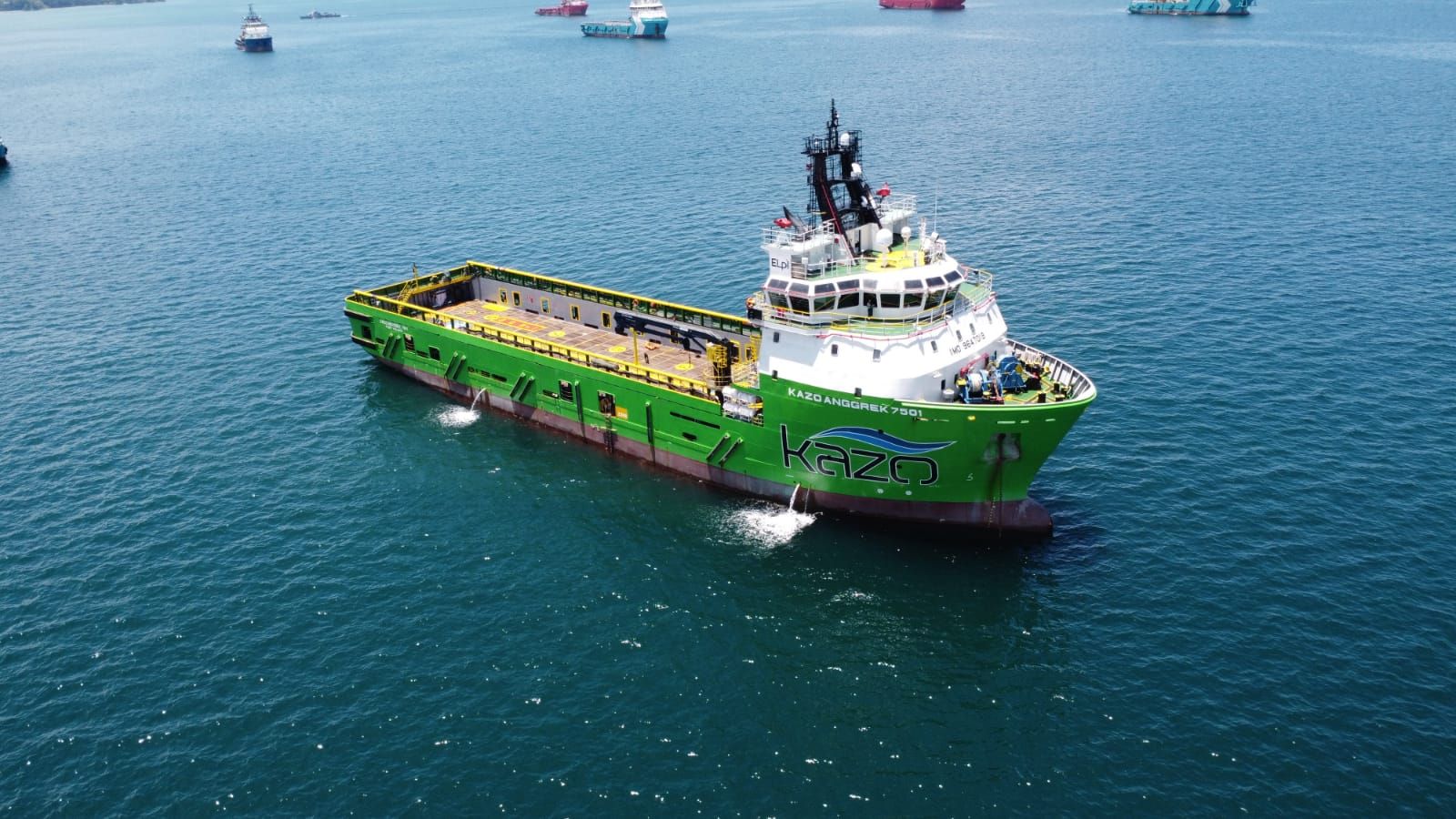
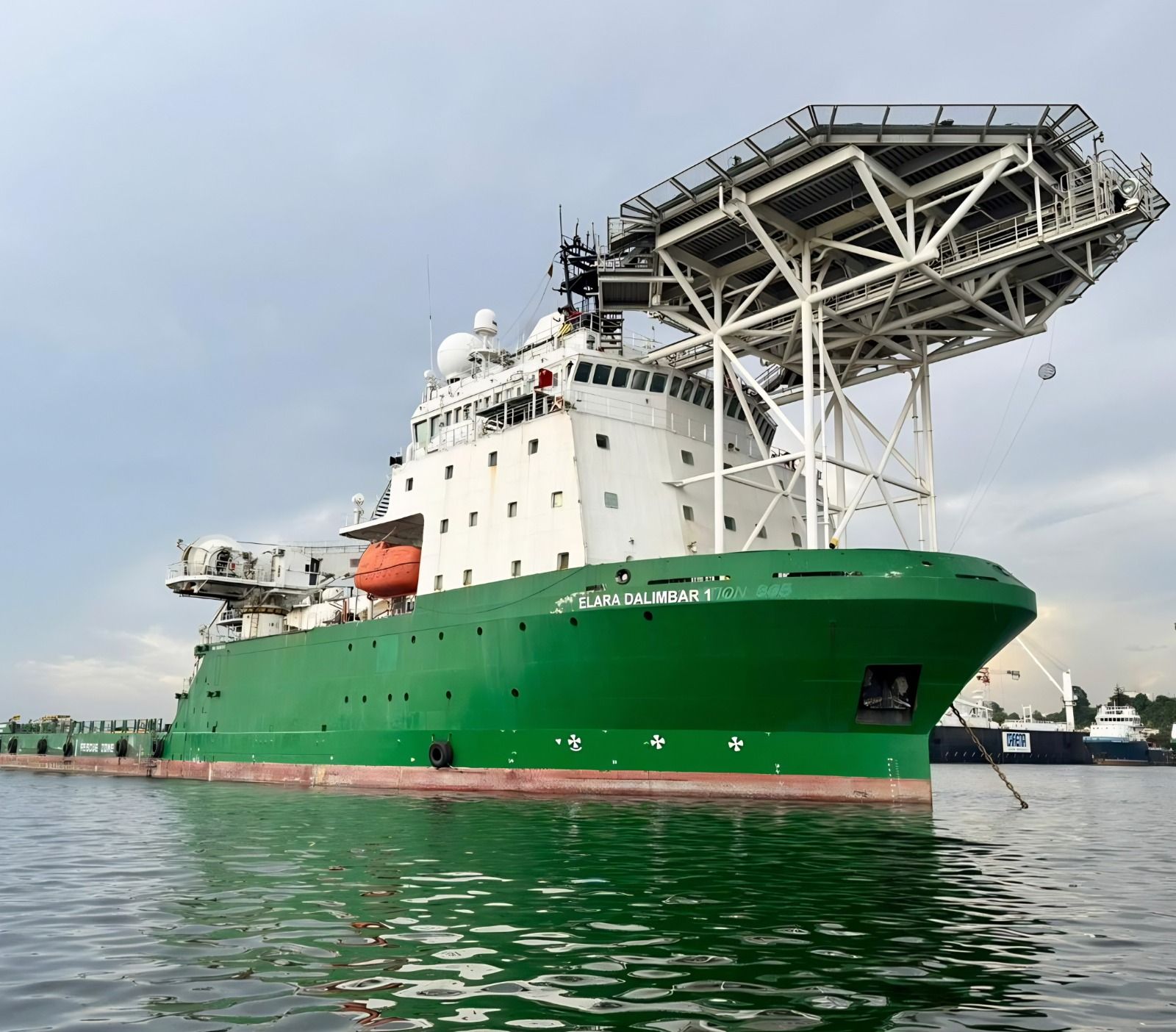
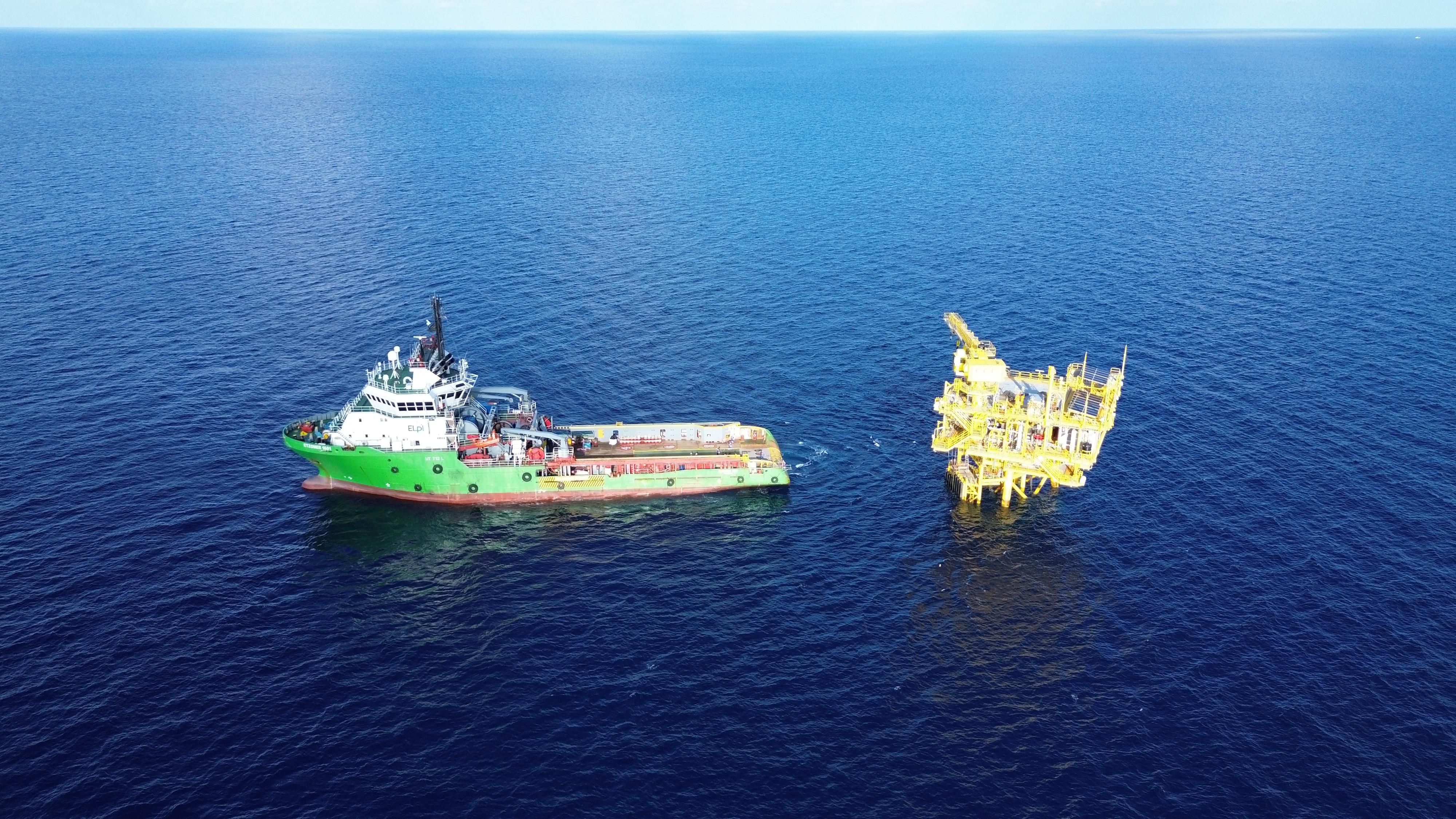
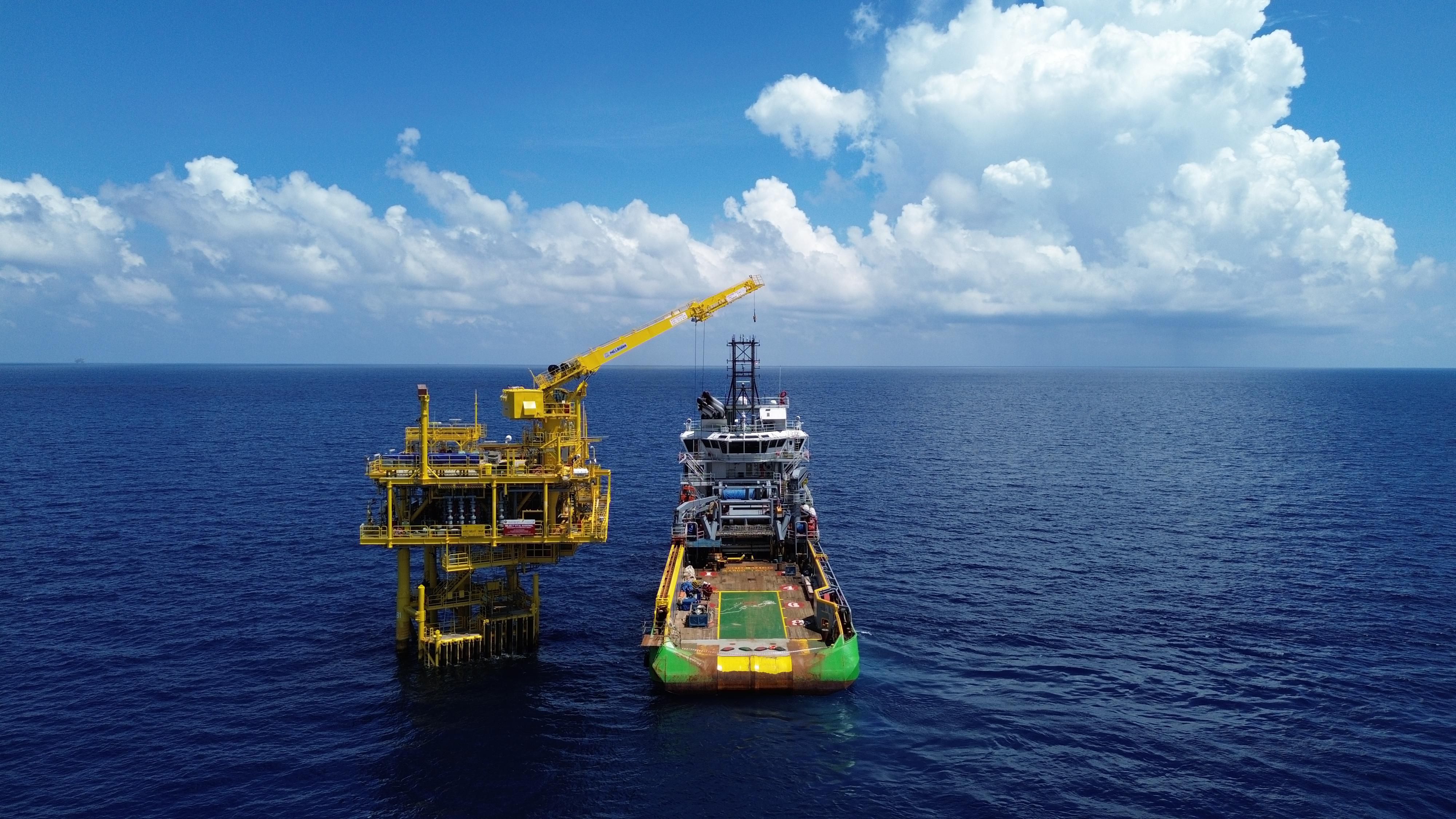

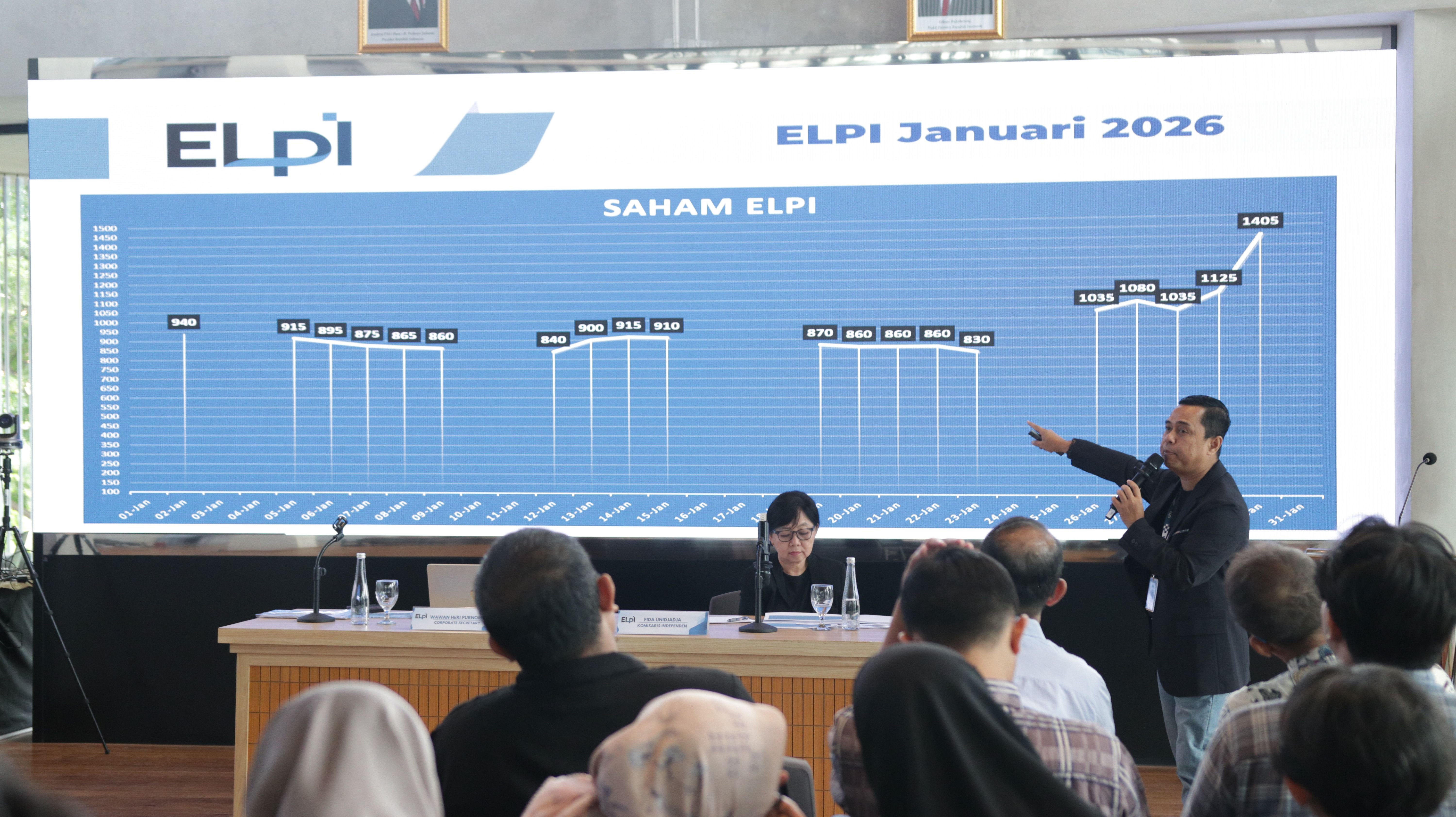

PT Pelayaran Nasional Ekalya Purnamasari Tbk (ELPI) has secured contracts worth IDR 900 billion this year. Pelayaran Nasional Ekalya Purnamasari President Director Eka Taniputra said that ELPI's potential revenue could reach around IDR 2.3 trillion in 2026. "Currently, there are several tenders underway. We are waiting for good news from the management team," he explained in a public presentation on Thursday (24/4).
Eka said that if the tender is decided and ELPI is named the winner, ELPI will begin building new ships to serve the contract. “We have decided to add several new ships to support the potential contract worth IDR 2.3 trillion,” he said.
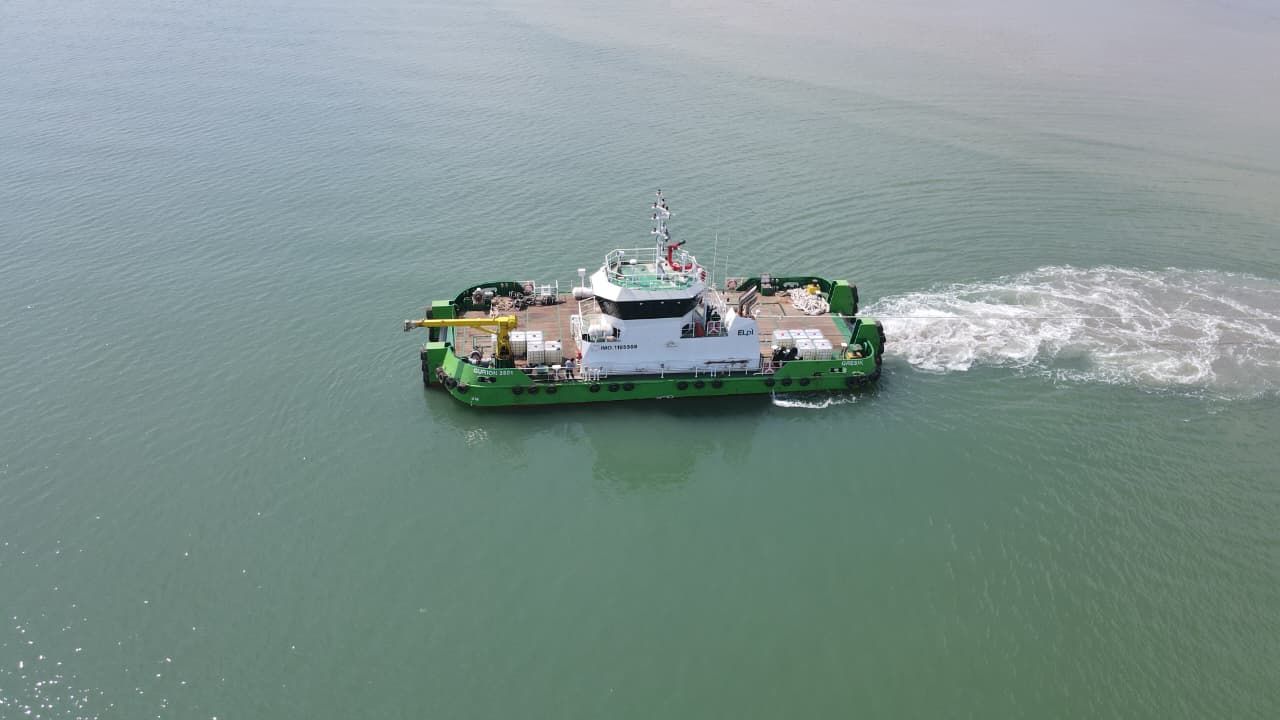
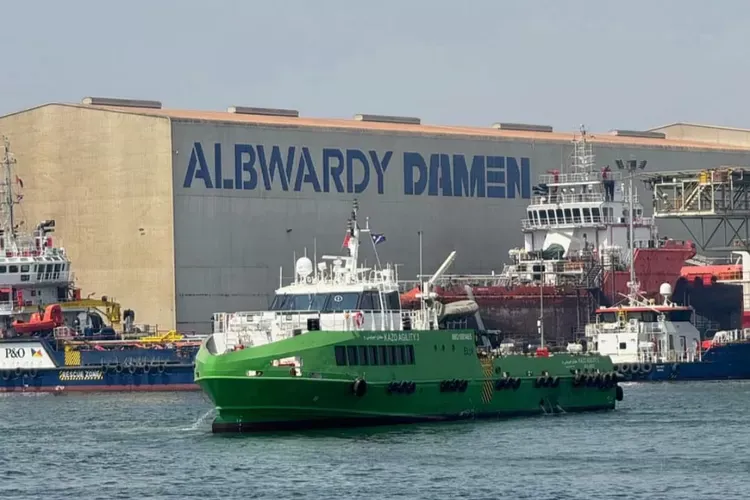
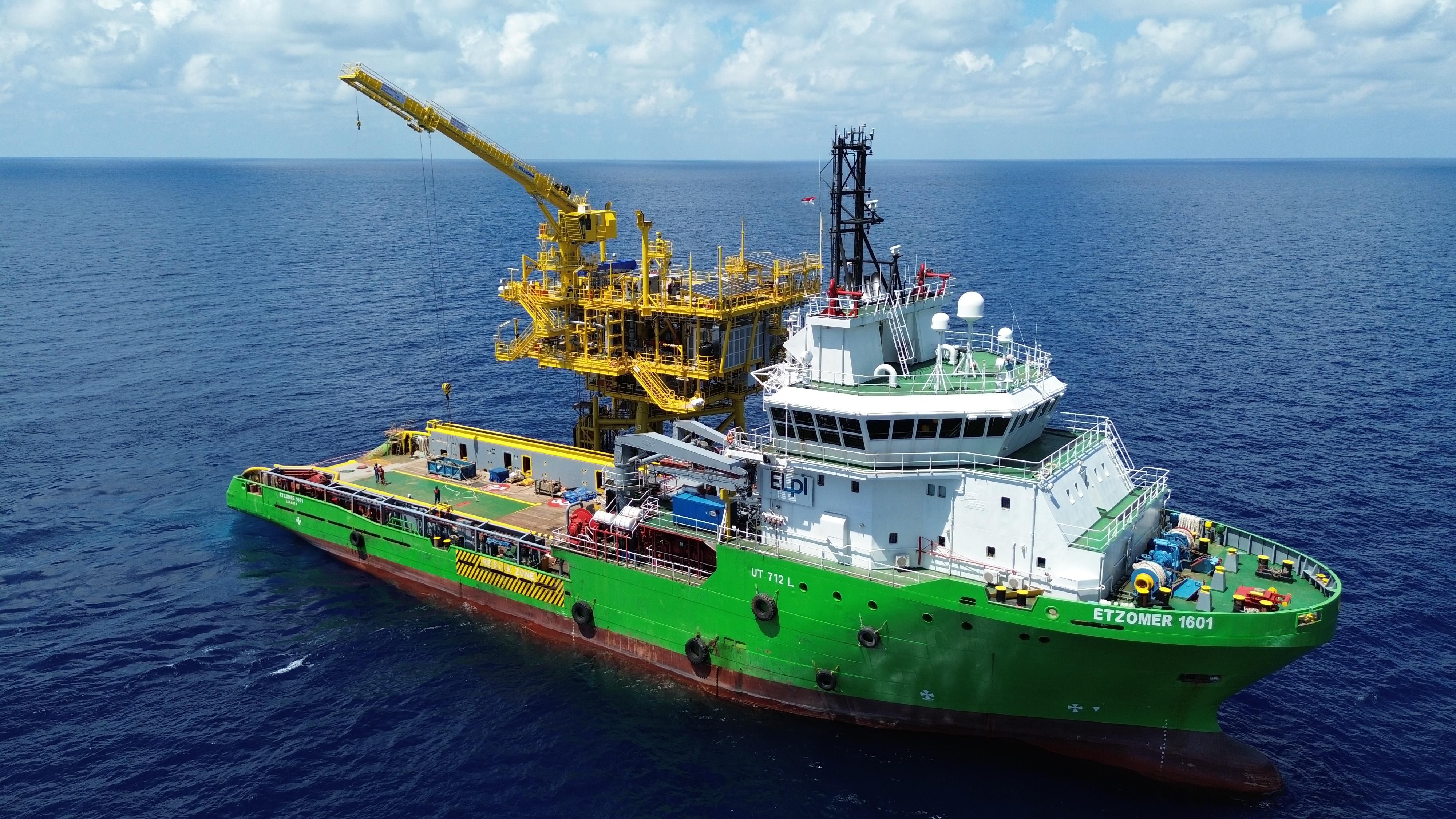
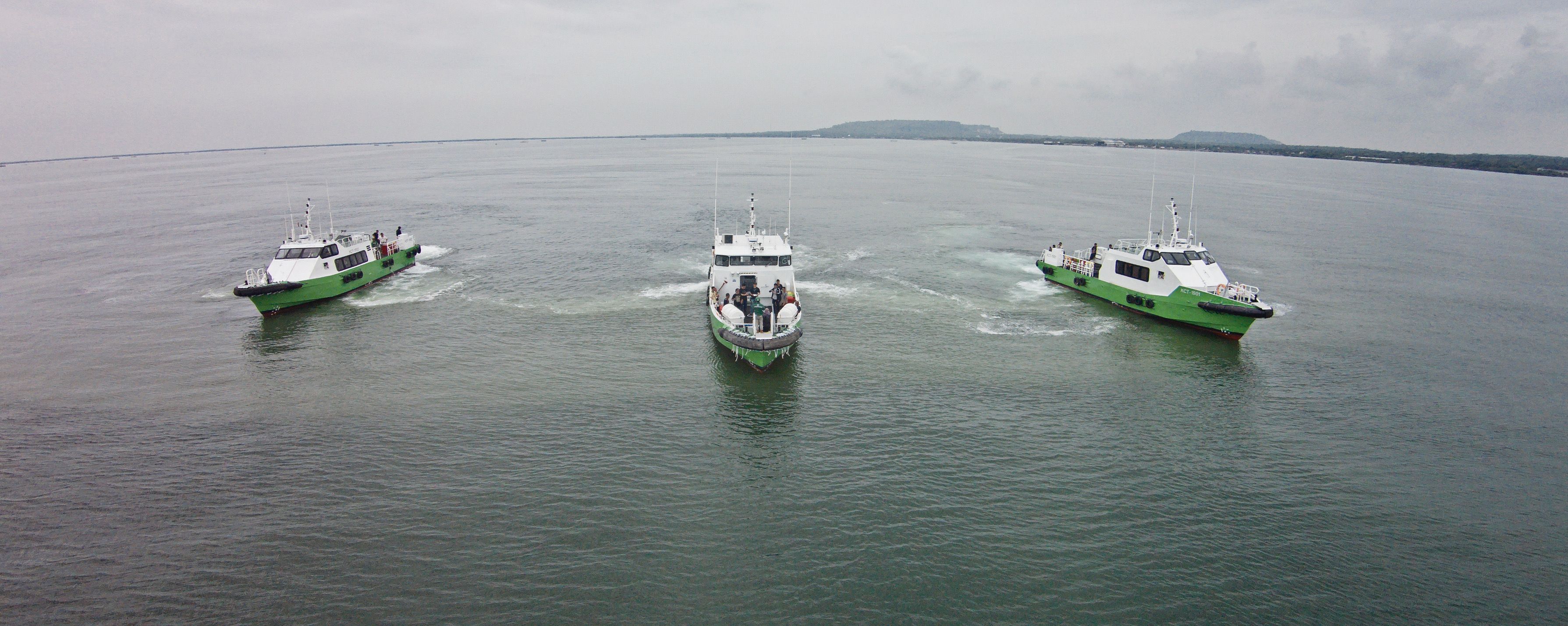
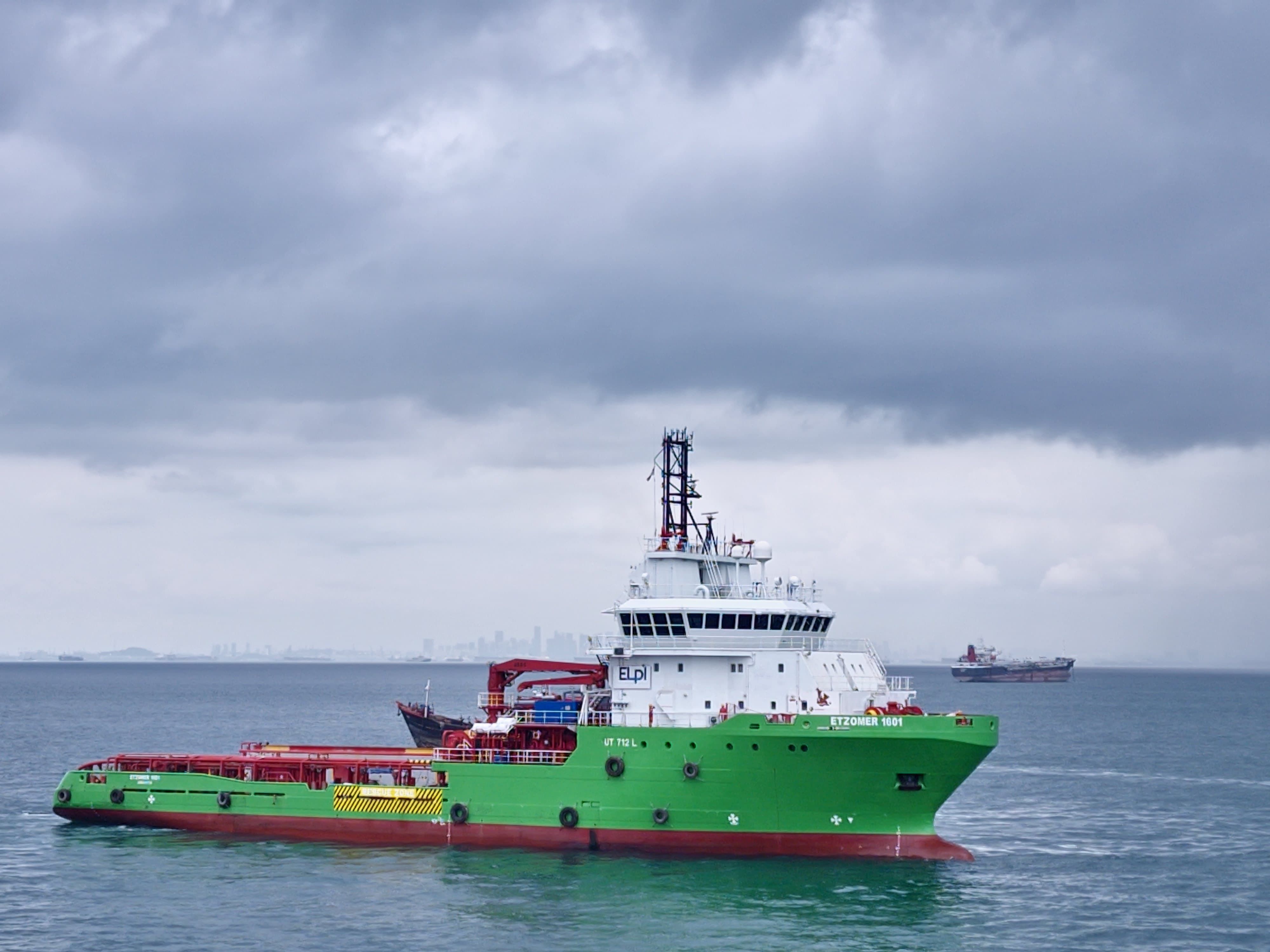
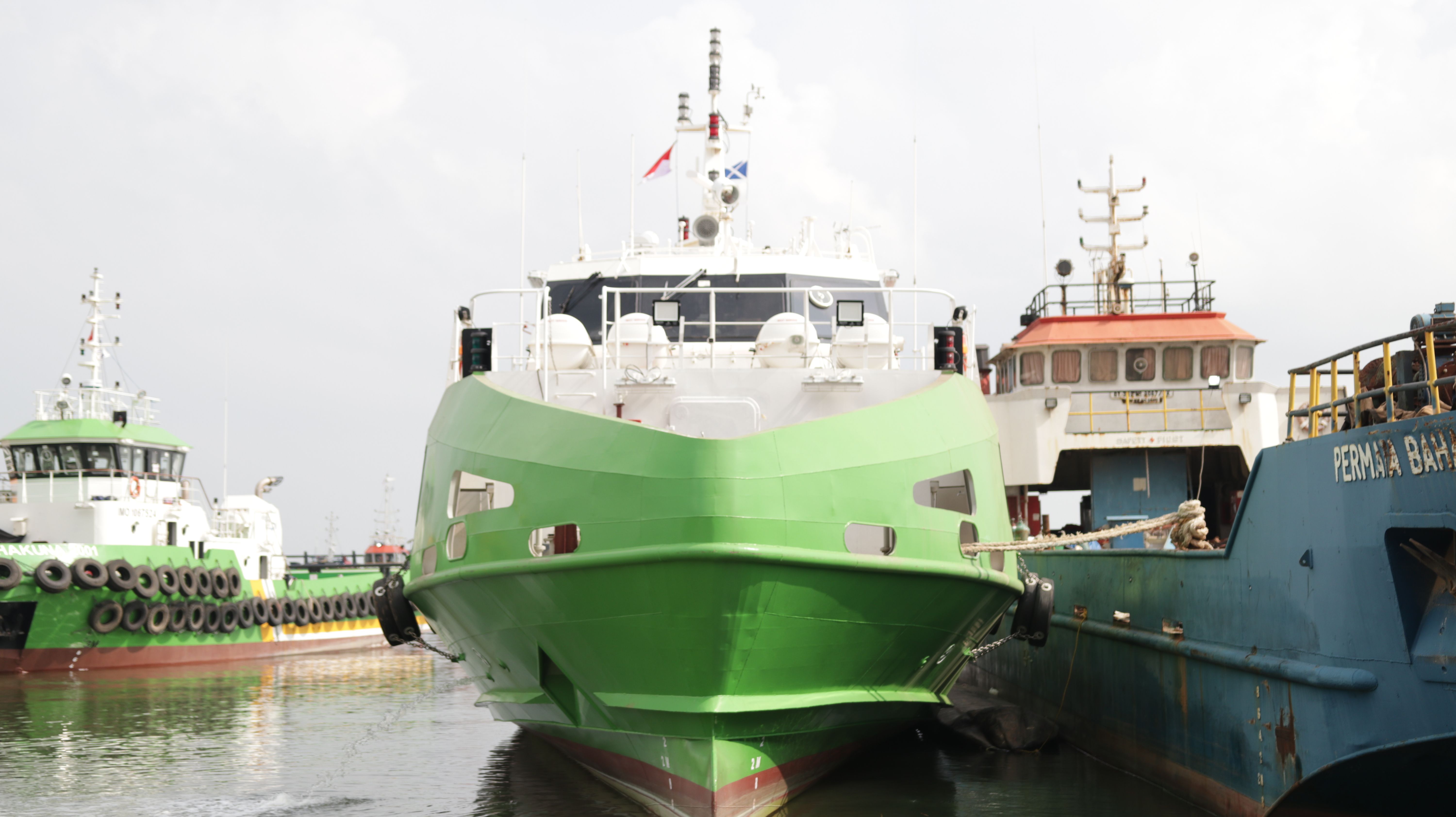
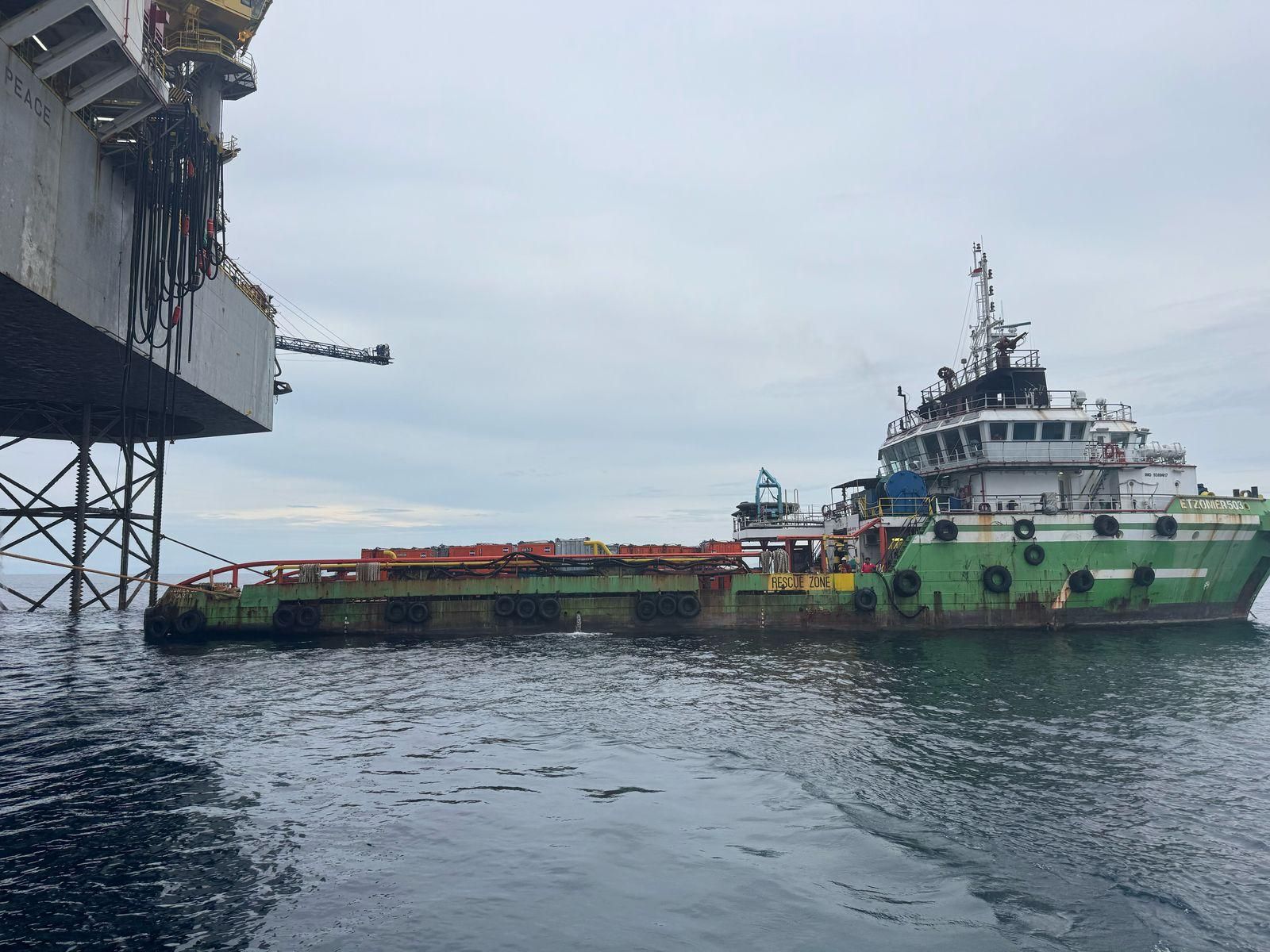
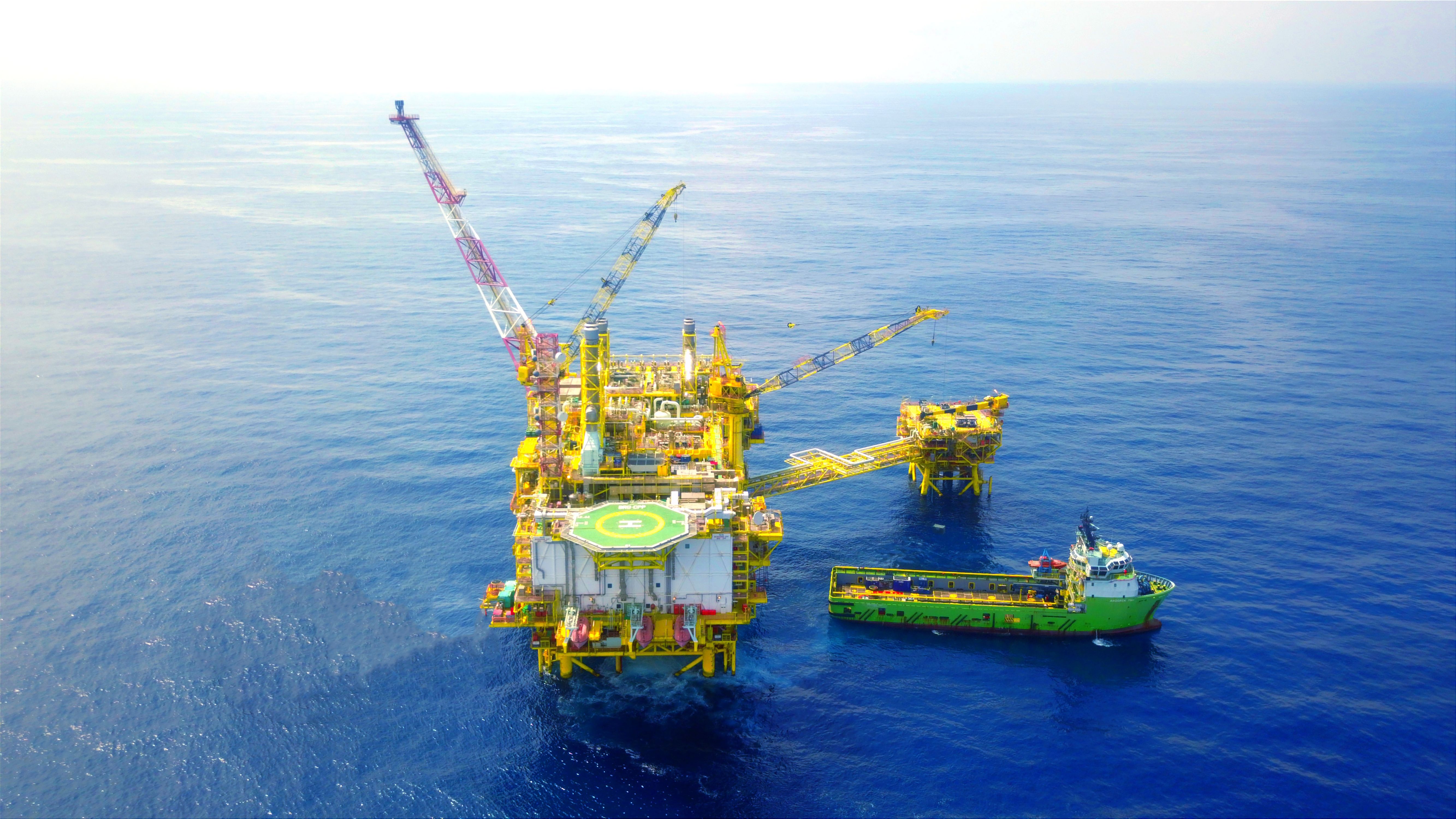
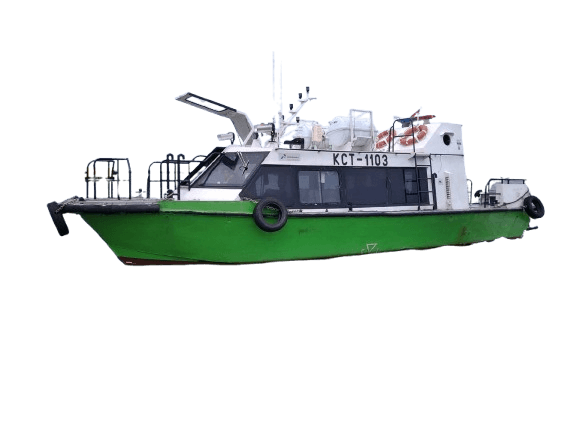
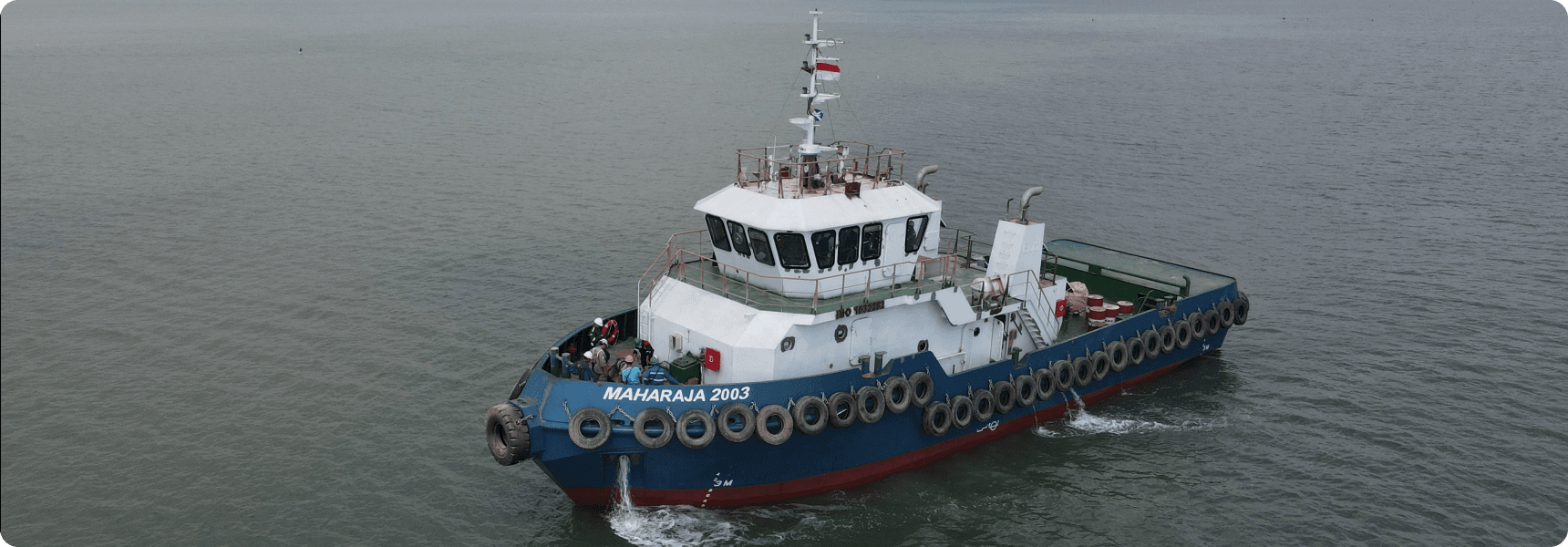
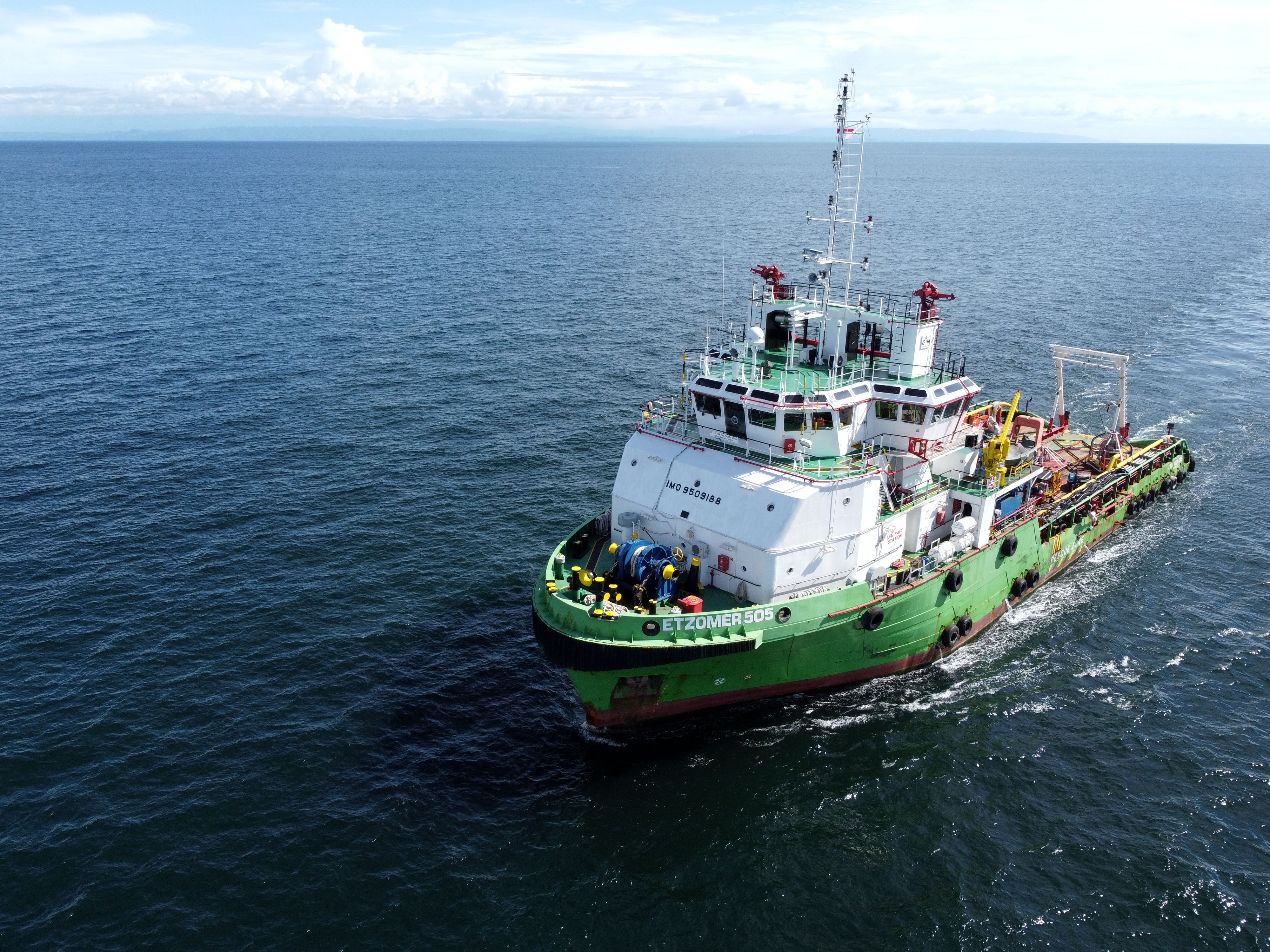
The details are as follows: one multicat vessel, five Tug & Barge vessels, six to seven offshore support vessels, and one to three fast combat boats (FCB). To purchase new vessels, ELPI has prepared a capital expenditure (capex) budget of Rp 1 trillion for this year.
Source: Kontan







Graha KCT Jl. WR Supratman No. 23 Surabaya - 60264 East Java - Indonesia


ABOUT US
ABOUT US
PT Pelayaran Nasional Ekalya Purnamasari Tbk (ELPI) was founded in 1992 in Ambon, Maluku. This company operates in the marine shipping industry.


(62)31-568 0121

info@elpi.co.id
QUICK LINKS
QUICK LINKS

© 2025 All rights reserved | PT Pelayaran Nasional Ekalya Purnamasari Tbk. Privacy Policy
© 2025 All rights reserved | PT Pelayaran Nasional Ekalya Purnamasari Tbk. Privacy Policy
